
 By
By 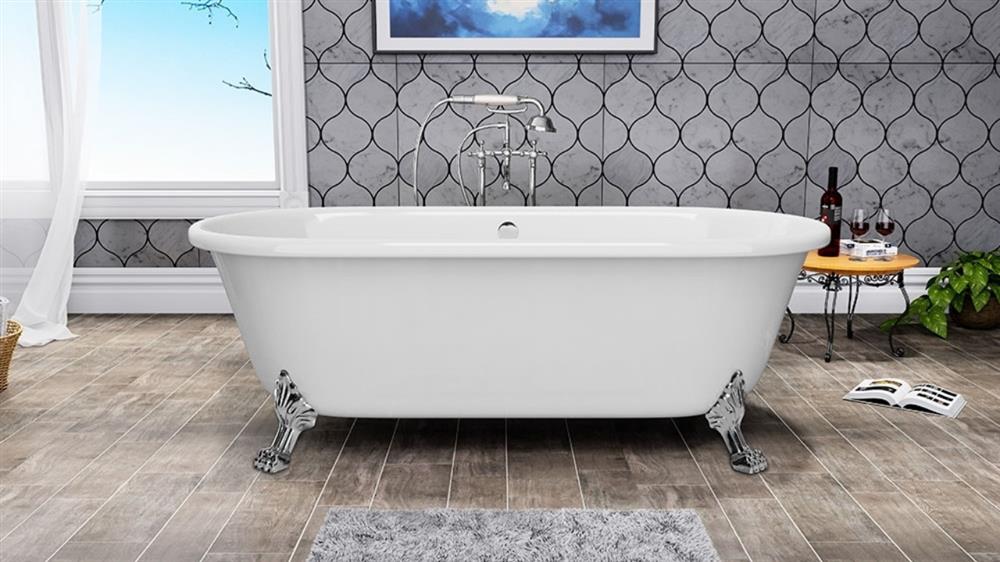
Freestanding bathtubs have become a staple of modern bathroom design, offering both luxury and functionality. Unlike built-in tubs, these standalone fixtures act as a statement piece, enhancing the aesthetic appeal of the space while providing a relaxing bathing experience.
With various styles available, choosing the right freestanding bathtub depends on design preferences, bathroom layout, and comfort requirements. This guide explores the most popular styles of Freestanding Bathtubs from Vascadesign.com, helping you find the perfect option for your home.
1. Clawfoot Bathtubs: A Timeless Classic
Clawfoot tubs are iconic and elegant, featuring four decorative feet that elevate the bathtub above the floor. These tubs are ideal for traditional and vintage-inspired bathrooms.
Key Features:
- Classic and ornate design with detailed claw or ball feet.
- Available in cast iron, acrylic, and copper materials.
- Provides a deep soaking experience for full-body relaxation.
Best For:
- Homes with Victorian, antique, or rustic décor.
- Bathrooms with ample space to showcase the tub’s design.
2. Slipper Bathtubs: Enhanced Comfort and Relaxation
Slipper tubs feature a raised backrest on one or both ends, offering extra support for head and neck comfort.
Key Features:
- Available in single-slipper (one raised end) or double-slipper (both ends raised) designs.
- Ergonomic shape allows for extended soaking sessions.
- Often paired with freestanding or wall-mounted faucets.
Best For:
- Those who enjoy long, relaxing baths.
- Bathrooms with a luxury spa-inspired atmosphere.
3. Modern Soaking Tubs: Minimalist and Sleek
Soaking tubs are designed for deep immersion, allowing for a full-body soak in a clean, minimalist form.
Key Features:
- Simple, rectangular or oval designs with smooth edges.
- Typically made from acrylic, resin, or solid surface materials.
- Can be installed against a wall or centered in a spacious bathroom.
Best For:
- Contemporary, modern, or minimalist bathrooms.
- Homeowners who prefer sleek and understated aesthetics.
4. Japanese Soaking Tubs: Compact and Deep
Inspired by traditional Japanese ofuro baths, these tubs are shorter in length but extra deep, allowing bathers to sit in an upright position.
Key Features:
- Designed for maximum relaxation in a small footprint.
- Made from acrylic, wood, or stone materials.
- Often equipped with built-in seats for added comfort.
Best For:
- Small bathrooms that require space-saving solutions.
- Individuals who enjoy a therapeutic and immersive soaking experience.
5. Oval Freestanding Bathtubs: Smooth and Balanced
Oval tubs are one of the most popular choices due to their soft, symmetrical shape that blends seamlessly with various design styles.
Key Features:
- Curved edges provide a natural and comfortable feel.
- Even weight distribution allows for greater stability.
- Complements modern, transitional, and contemporary interiors.
Best For:
- Homeowners seeking a versatile and timeless bathtub design.
- Bathrooms with curved architectural elements.
6. Rectangular Bathtubs: Geometric and Bold
Rectangular tubs create a bold, structured look, making them ideal for modern and industrial bathrooms.
Key Features:
- Defined edges and straight lines create a geometric aesthetic.
- Often integrated with step-in or low-profile designs.
- Pairs well with floor-mounted or wall-mounted faucets.
Best For:
- Urban, modern, and industrial-inspired bathrooms.
- Homeowners looking for a bold, contemporary statement piece.
7. Stone and Resin Bathtubs: Natural and Luxurious
For a high-end, organic look, stone and resin tubs provide an earthy, spa-like feel. These materials are known for their heat retention and durability.
Key Features:
- Heavy and solid construction for long-lasting durability.
- Available in matte and textured finishes.
- Provides a natural, organic appearance.
Best For:
- Luxury bathrooms with spa or resort-style designs.
- Homeowners looking for a statement piece with a natural aesthetic.
8. Freestanding Tub with Shower Combo: Functional and Space-Saving
A tub and shower combo provides the best of both worlds, allowing for both quick showers and relaxing baths.
Key Features:
- Can be paired with a ceiling-mounted or wall-mounted showerhead.
- Available in various tub shapes, including oval and rectangular.
- Ideal for small bathrooms that need dual functionality.
Best For:
- Homes with limited space that require a versatile bathing option.
- Homeowners who want a classic bathtub with the convenience of a shower.
How to Choose the Right Freestanding Bathtub
When selecting the best bathtub for your home, consider the following factors:
| Factor | Considerations |
|---|---|
| Space Available | Ensure the tub fits without overcrowding the room. |
| Material | Choose between acrylic, stone, cast iron, or resin. |
| Comfort | Test the shape and depth for optimal relaxation. |
| Style | Match the tub to your bathroom’s design aesthetic. |
| Plumbing Setup | Consider freestanding, wall-mounted, or deck-mounted faucets. |
Conclusion
Freestanding bathtubs come in a variety of styles, materials, and shapes, offering something for every design preference. Whether you prefer the classic charm of a clawfoot tub, the deep relaxation of a Japanese soaking tub, or the sleek modern appeal of an oval freestanding bathtub, there is a perfect option to enhance your bathroom space.

Comments